
Why Therapy Hasn’t Worked for Your Anxiety (From a Salt Lake City Therapist)

As an anxiety therapist in Salt Lake City, Utah, I often hear women say, “I’ve tried therapy before, and it just didn’t help.” Most of the time, they’re not saying therapy itself is useless; they’re saying they felt stuck, unseen, or unchanged, especially in their anxiety.
Many of the women I work with are high-functioning on the outside but constantly on edge inside. They overthink, carry responsibility for everyone else, and live with a background hum of worry that never quite shuts off. When therapy hasn’t worked in the past, it can start to feel hopeless, like maybe nothing will.
In reality, when therapy doesn’t help anxiety, it’s usually not because you’re “doing it wrong.” It’s because something important in the process, fit, approach, safety, or focus was missing.
As a therapist, I often hear women say, “Therapy didn’t really help me.” Sometimes that comes from people who have never actually been in therapy, but more often it comes from women who went in hopeful, vulnerable, and ready for change and still walked away feeling disappointed or unchanged. That’s such a painful experience. Therapy asks a lot of you emotionally, and when it doesn’t feel helpful, it can start to feel discouraging or even hopeless. I care deeply about that, which is why I want to talk openly about some of the common reasons therapy doesn’t work the way people expect it to and what can make it different.
The Therapeutic Relationship Doesn’t Feel Safe or Attuned
One of the most essential ingredients for the magic of therapy to work is your relationship with your therapist. Above all else, that is the secret sauce. Research states that up to 70 percent of the reason why people get better and improve regardless of what their presenting problem is, is how comfortable, safe, and open you feel like you can be with your therapist. If therapy isn’t working for you, the first step is to check out your relationship with your therapist. As a therapist, I am always appreciative of feedback from those I work with about what is working and what isn’t. This is about you and your needs and lets your therapist know what you like and don’t like. Many of those I work with want to be the perfect client and don’t want to say anything. Please speak up. We want to help but don’t always know what will work best for you without you telling us.
The Therapist Isn’t Specialized in Treating Anxiety
When you’re struggling with chronic worry, overthinking, or physical symptoms of anxiety, working with someone who specializes in anxiety matters. Anxiety therapy in Salt Lake City, Utah, focuses on understanding the nervous system, emotional patterns, and relational history that keep anxiety stuck, rather than offering only surface-level coping strategies. When you are struggling with anxiety and are looking to find relief from anxiety symptoms, make sure you have an anxiety therapist with that training and specialty. Therapists are passionate about different things, and have unique specialities and training. Ensure your therapist has the training and experience necessary to help you with your anxiety.
You Weren’t Emotionally Ready for the Work Yet
Honestly, the majority of those that I work with aren’t coming in my door, absolutely enthusiastic about looking at painful things in their lives. They know that something is off, and they need help but that doesn’t mean they want to rip the bandaid off and dig in just yet. They just know they are anxious and want to feel better. Make sure you understand THAT IS TOTALLY OK! It’s expected, and it’s part of our job to help you navigate through it. We are here to help you make progress to get to that point and help you. In the end, if you aren’t ready, then you aren’t ready. I would like to be a magician and change that for you but as therapists, we aren’t THAT special, unfortunately :). Sometimes taking a break from therapy for a while can be helpful if you are feeling stuck.
Your Therapy Goals Were Never Clearly Defined

Another important aspect of therapy is that both you and your therapist know what you are working toward. Otherwise, we are both wandering aimlessly through therapy, and that certainly isn’t the best use of your time and money. Make sure that you are actually clear about what you are wanting out of therapy. Some people just want someone to listen and validate because they don’t get that in other places while other people want some skills and perspective on their problem. There is no right answer but in order for therapy to be the most helpful you need to know what you want out of the process. Sometimes I think my clients want one thing but they have actually been hoping for something else. I do my best work when I know what your hopes and dreams are out of the process.
Support Didn’t Extend Beyond the Session
Usually, a part of therapy is trying new things in order to help you with your problem. I often give clients books to read, podcasts to listen to, skills to try, recommendations to see additional professionals, and other assignments to try. I only get to see my clients for one hour of the many hours of the week and doing these other things in between our sessions can be pretty crucial. If you haven’t been applying some of those things your therapist has suggested, that may be another place to start to make therapy more useful. Your ability to practice coping skills for anxiety outside of your one-hour session a week is important to your success.

You Weren’t Working With a Licensed Anxiety Therapist
Make sure the person you are seeing is actually a therapist and has a license to practice. We have a lot of coaching services out there and even some therapists also practice as coaches. It can be confusing and easy to get lost in the process. Coaches have their purpose in effectively helping people. Some coaches have lived experience with anxiety but no disrespect, but this isn’t enough to treat anxiety.
Therapists have specialized training in using researched treatment models to help you with your problems. I know therapists that use coaches to help their clients between sessions, which is great. However, you might make sure the person you are seeing is a licensed mental health professional.
I work with women across Utah who have tried therapy before and still feel anxious, stuck, or unsure where to turn next, including clients in Salt Lake City, Provo, Logan, Ogden, St. George, and surrounding areas. Many are high-functioning on the outside but carry constant internal pressure, worry, and self-doubt. Through online anxiety therapy in Utah, they’re able to work with a therapist who understands anxiety deeply, even if a specialist isn’t available in their immediate town.
Begin Anxiety Therapy in Salt Lake City, Utah
If therapy hasn’t helped in the past, it makes complete sense to feel hesitant about trying again. Opening up, trusting someone, and hoping for change takes courage and when it doesn’t lead to the relief you were hoping for, it can feel discouraging or even hopeless.
I provide anxiety therapy in Salt Lake City, Utah, for women who are tired of carrying constant worry, overthinking, and emotional pressure on their own. Many of the women I work with are high-functioning and capable on the outside, but internally feel overwhelmed, on edge, or stuck in their heads. Therapy can help you understand what’s driving your anxiety and create a safer, more compassionate relationship with yourself.
If you live in Salt Lake City or anywhere in Utah, you can work with me through secure online therapy in Utah, making it possible to get support even if you don’t have access to an anxiety specialist nearby.
To get started:
Schedule a free 15-minute phone consultation
We’ll talk about what hasn’t worked in the past and what you’re hoping for now
If it feels like a good fit, we’ll begin anxiety therapy tailored to you
I also work with women who struggle with perfectionism, people-pleasing, body image, and eating concerns, which often overlap with anxiety and can be part of what made previous therapy feel incomplete.
Online Therapy in Utah
If you struggle with anxiousness, I get that thinking about finding a therapist’s office seems super scary. I know it’s difficult to reach out for help when you have anxiety. This is why I provide Online Therapy in Utah, so you don’t have to leave the comfort of your house. You can stay in your sweatpants and meet with an online anxiety therapist.
Online Counseling allows me to work with clients not just in Salt Lake City but all through out the state.
About the Author
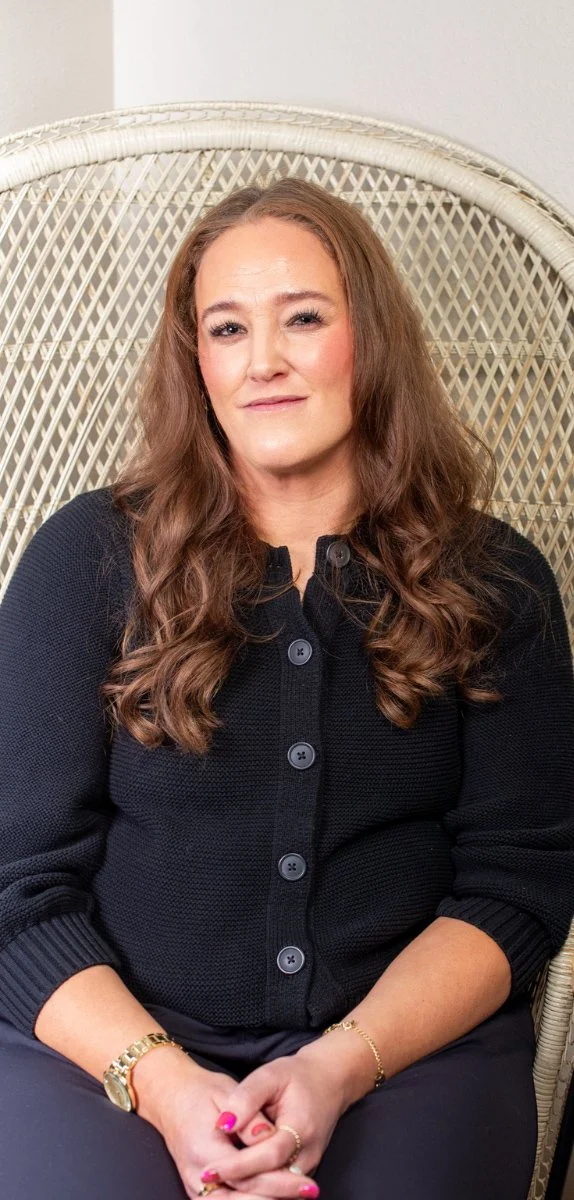
Ashlee Hunt, LCSW, is a licensed clinical social worker and the founder of Maple Canyon Therapy, an online therapy practice serving women across Utah. She earned two bachelor’s degrees from Southern Utah University in psychology and family life and human development, and completed her Master of Social Work at Utah State University.
Ashlee specializes in working with women who struggle with anxiety, overthinking, and the pressure to appear like they have it all together. Her work is grounded in a person-centered, humanistic approach that prioritizes emotional safety, self-understanding, and meaningful change rather than quick fixes.