
How Do You Overcome People-Pleasing Anxiety? Insights from a Salt Lake City Anxiety Therapist

Many women in Salt Lake City recognize the urge to keep everyone else happy, even when it comes at the expense of their own well-being. You may find yourself saying yes when you want to say no, worrying about how others will react, or feeling responsible for keeping the peace. Over time, this pattern of people-pleasing can lead to anxiety, stress, and the feeling that you’ve lost touch with what you actually want or need. Once you start noticing these patterns in yourself, it’s natural to want to find a way out of them. Letting go of people-pleasing isn’t easy, but through anxiety therapy in Salt Lake City, many women begin to understand why these patterns developed and learn healthier ways to move forward without feeling overwhelmed by guilt or anxiety.
The root cause of people-pleasing
To overcome people-pleasing anxiety, it's important to understand why it happens in the first place. Take a moment to think about how you were raised, the culture you grew up in, and the experiences you've had. These things may have influenced you to always seek approval from others, even if it means neglecting your own needs. By understanding these influences, you can start figuring out the patterns that contribute to your anxiety and work towards changing them.
Use Self-awareness
Developing self-awareness is important for overcoming people-pleasing anxiety. Take some time to think about what you truly want, what values are important to you, and what boundaries you need to set. Pay attention to your emotions and notice when you start feeling the need to make others happy even if it hurts you. By understanding what triggers these feelings and how you respond emotionally, you can start making choices that reflect your true self and prioritize your well-being.
Develop self-compassion

Self-compassion is the practice of being kind to yourself as you work on your goals. It’s not about giving yourself excuses or enabling bad behavior. Self-compassion is about taking care of yourself as you work through overcoming people-pleasing anxiety. Working through people-pleasing is really hard. It might be a new experience to put yourself first and establish healthy boundaries. Treat yourself kindly and understand that you deserve love and respect, no matter what others think.
Practice Assertiveness
Assertiveness is a powerful skill that can help break the cycle of people-pleasing. It may feel foreign to you when you have used people-pleasing to cope with your anxiousness. Start by practicing clear and honest communication. Learn to express your needs, desires, and opinions in a respectful manner. You might be afraid of rejection or disapproval in the beginning and that’s ok. You have the right to your own thoughts, feelings, and boundaries. It’s ok to have opinions and for those to be heard by others.
Set Realistic Expectations:
Recognize that you cannot please everyone all the time, and it’s not your job to do so. People are responsible for their own emotions just as you are responsible for managing your anxiety. Accept that you have limits and you are better able to show up in your relationships by taking care of yourself. Shift your focus from needing validation from others. Embrace the fact that your worth does not depend on pleasing others.It is not realistic to believe your purpose on this earth is to make everyone else happy at your own expense.
Surround Yourself with Supportive People:

You deserve to be in relationships with people that will respect your boundaries and needs. Seek out relationships where your opinions and needs will be honored and heard. Surround yourself with people who support you. Having a strong support system can provide the encouragement you need to challenge your people pleasing.
Overcoming people-pleasing anxiety will take time, and it will be uncomfortable. It involves thinking more about your own needs, being kind to yourself, and knowing your mental health matters. By understanding how anxiety contributes to your people-pleasing, learning to share your own opinions and needs, and practicing saying no, you can break free from the cycle of people-pleasing and be your true self. Remember, you deserve to live a life that is fulfilling.

If you’ve ever felt guilty for saying no, or drained from always saying yes, this guide is for you. Inside, you’ll find scripts, prompts, and tools to help you protect your time and energy without losing your kindness or compassion.
Anxiety Therapy in Salt Lake City, Utah, to overcome people-pleasing anxiety
Anxiety Therapy in Salt Lake City, Utah is here to help you overcome the anxiety that comes from always trying to please others. Together, we will explore why you feel this way and learn how to stop it. In our safe and supportive sessions, we'll talk about your feelings, thoughts, and beliefs. I will guide you in understanding yourself better and figuring out what you need.
How to start working with an anxiety therapist in Salt Lake City, Utah
Are you ready to reclaim your life from the grips of anxiety and people-pleasing? Anxiety Therapy can help. This Utah Counseling Clinic has an anxiety therapist who can help. To begin anxiety therapy, follow the steps below:
Meet with a therapist for anxiety
Start letting go of people-pleasing
Frequently Asked Questions About People-Pleasing Anxiety
Why do people-pleasers feel so anxious?
People-pleasers often feel anxious because they are constantly trying to predict how others will react. The pressure to keep everyone happy and avoid disappointing anyone can create ongoing worry, overthinking, and emotional exhaustion.
Is people-pleasing related to low self-worth?
It can be. Many people who struggle with people-pleasing learned early in life that approval, harmony, or being “easy to get along with” helped them feel accepted. Over time, this can make it difficult to trust their own needs, opinions, and boundaries.
How do I stop feeling guilty for setting boundaries?
Feeling guilty when you start setting boundaries is very common for people who are used to prioritizing others first. Therapy can help you understand where that guilt comes from and gradually build the confidence to express your needs without feeling responsible for everyone else’s reactions.
Can therapy help with people-pleasing and anxiety?
Yes. Therapy can help you explore the anxiety underneath people-pleasing patterns and learn new ways to handle conflict, boundaries, and self-trust. Many people find that as they better understand themselves, their anxiety and need for approval begin to ease.
Can I get anxiety therapy if I live in Salt Lake City?
Yes. If you live in Salt Lake City or anywhere in Utah, you can work with a therapist through online sessions. Anxiety therapy in Salt Lake City can help you understand the connection between anxiety and people-pleasing and begin building healthier boundaries and self-trust.
About the Author
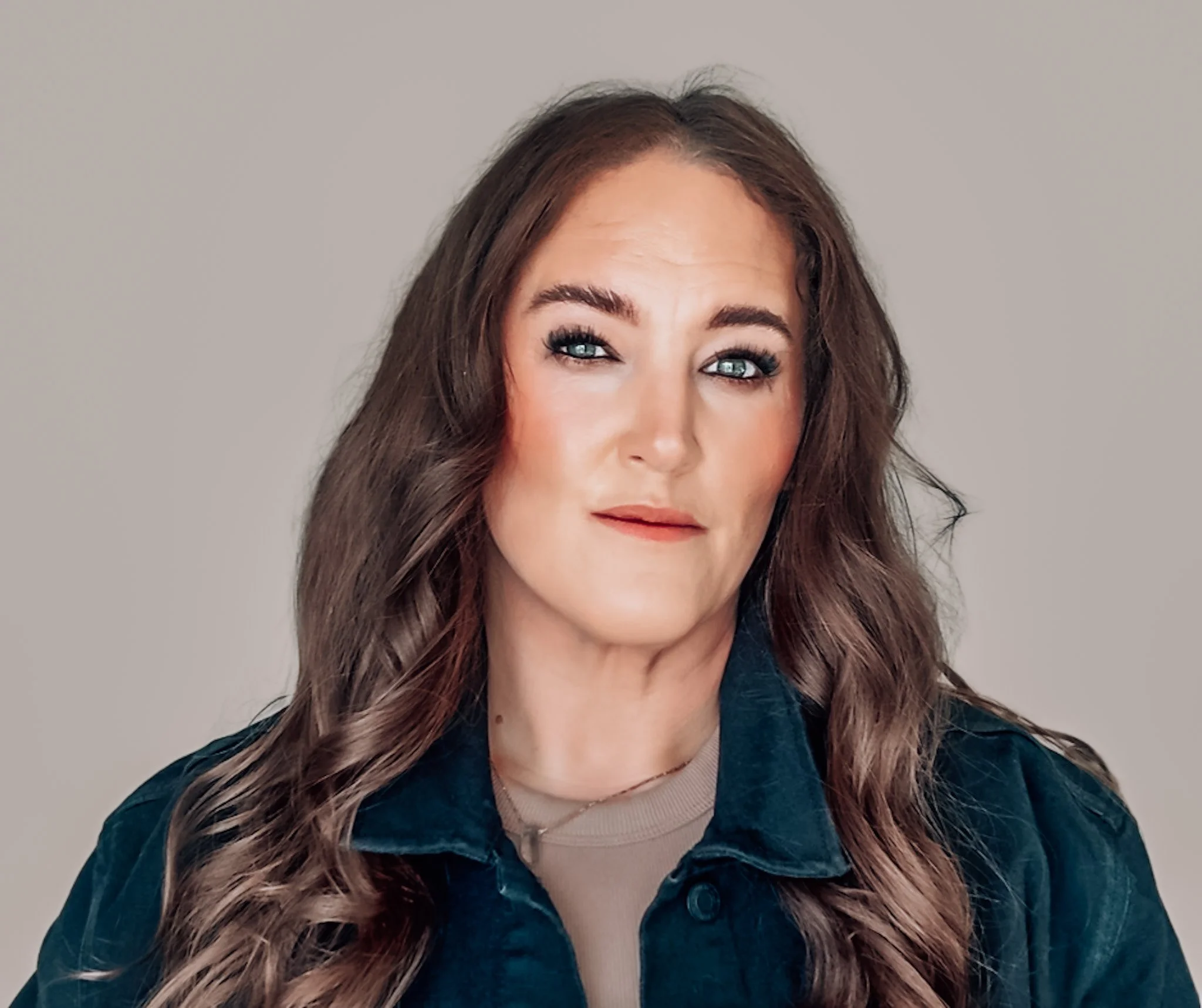
Ashlee Hunt, LCSW, is a licensed clinical social worker who specializes in helping women work through anxiety, people-pleasing, body image struggles, and the pressure to appear like they have everything together. She earned her Master’s degree in Social Work from Utah State University and holds two Bachelor’s degrees from Southern Utah University in Psychology and Family Life and Human Development.
Ashlee has extensive clinical experience working with eating disorders and anxiety across different levels of care, including outpatient and higher-intensity treatment settings. Her work focuses on helping high-functioning women who struggle internally with overthinking, guilt, perfectionism, and the pressure to keep everyone else comfortable.
In addition to her clinical practice, Ashlee has served as an adjunct professor in the Social Work Department at Utah State University, where she taught courses on foundational social work practice and clinical perspectives.
She is the founder of Maple Canyon Therapy, an online therapy practice serving women throughout Utah, including Salt Lake City. Through anxiety therapy in Salt Lake City, Ashlee helps women understand the emotional patterns behind anxiety and people-pleasing so they can build healthier boundaries, trust themselves more, and feel less overwhelmed in their daily lives.